THC Beverage Regulation: What Hemp Brands Face
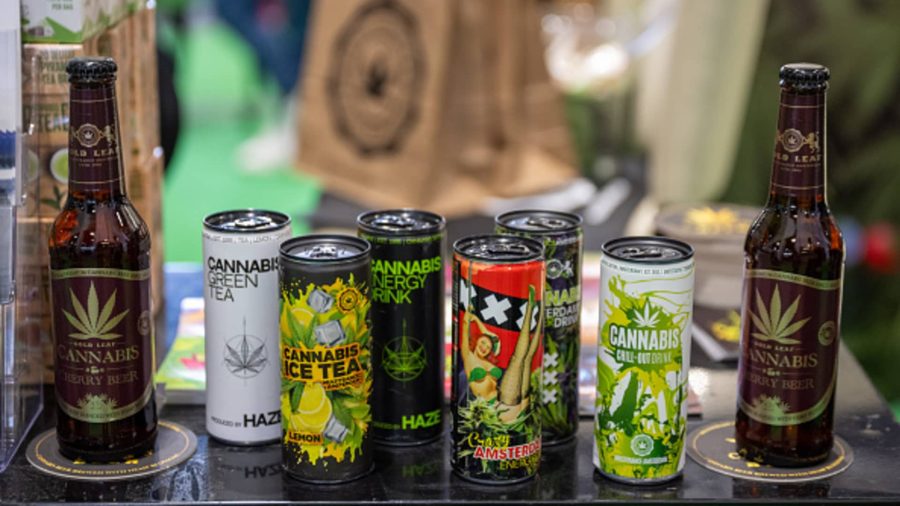
Regulation for hemp beverage makers starts at one federal line, with delta 9 concentration held below the farm bill threshold by dry weight, and every can shipped must prove it. BudPop operating in the beverage lane builds testing infrastructure around that single requirement, accredited laboratories measuring each production batch, certificates tying results to specific lots before anything is listed for sale. Liquid complicates the math in ways solid formats never faced. Dry weight calculations behave strangely when the product is mostly water, and different state regulators read the same federal language differently, some measuring against total liquid volume, others against dissolved solids. One formula can pass in one reading and fail in another without a single ingredient changing.
States rewrite rules constantly
State-level regulation is where beverage compliance becomes a full-time occupation, because the map redraws itself every legislative season. One state permits full retail sale, its neighbour caps milligrams per container, a third restricts sales to liquor-licensed stores only, and a fourth bans the format outright while allowing identical cannabinoids in gummy form. Serving caps range across the permitted states, packaging rules differ, and several legislatures revisit their positions annually. Operators manage the churn through dedicated systems.
• Legislative tracking assigns real staff to monitor every active market weekly. • Geofenced checkout blocks direct orders that no legal pathway currently serves. • State-specific formulations serve capped markets where volume justifies separate production runs. • Distributor briefing packets keep wholesale partners current before questions become returned pallets.
Brands treating the patchwork as permanent weather rather than temporary confusion stay shipping while casual entrants stall at borders.
Age gates carry weight
Age control regulation lands harder on beverages than any other hemp format, because cans sit in coolers beside soda where young eyes browse freely. States permitting retail sale nearly always attach purchase age requirements, and enforcement attention concentrates exactly here. Retailers demand carding protocols before stocking, delivery services require adult signature confirmation, and direct channels layer identity verification across checkout, database checks confirming age in seconds, document review catching flagged cases, and signature service closing the loop at the doorstep. Beverage brands invest in these systems beyond minimum requirements for a practical reason: one underage sale traced to a brand’s can threatens every retail relationship the company holds. Verification rigour became a wholesale selling point, cautious chain buyers asking about it before asking about flavour.
Labels face double scrutiny
Labelling regulation hits beverages from two directions at once, with hemp rules and beverage rules overlapping on a single can. Milligram statements must read accurately per serving and per container, ingredient panels follow food labelling standards, and health claims must be absent since one enthusiastic sentence invites a different federal agency into the conversation. Several states add their own required warnings, symbols, or panel language, meaning one national product can need multiple label versions. Careful brands design labels toward the strictest active standard, letting one compliant version travel everywhere it legally can.
Regulatory weight shapes this category more than taste or marketing ever will, and the brands building compliance muscle now are the ones positioned to pour into every market the settling rules eventually open.