How does packaging protect THCA flower throughout distribution?
What threats does packaging block?
Good packaging holds a steady line against four things once a flower leaves a controlled room. Oxygen, light, moisture, and physical impact, all addressed at once, so a shipment shows up looking like it did when it left.
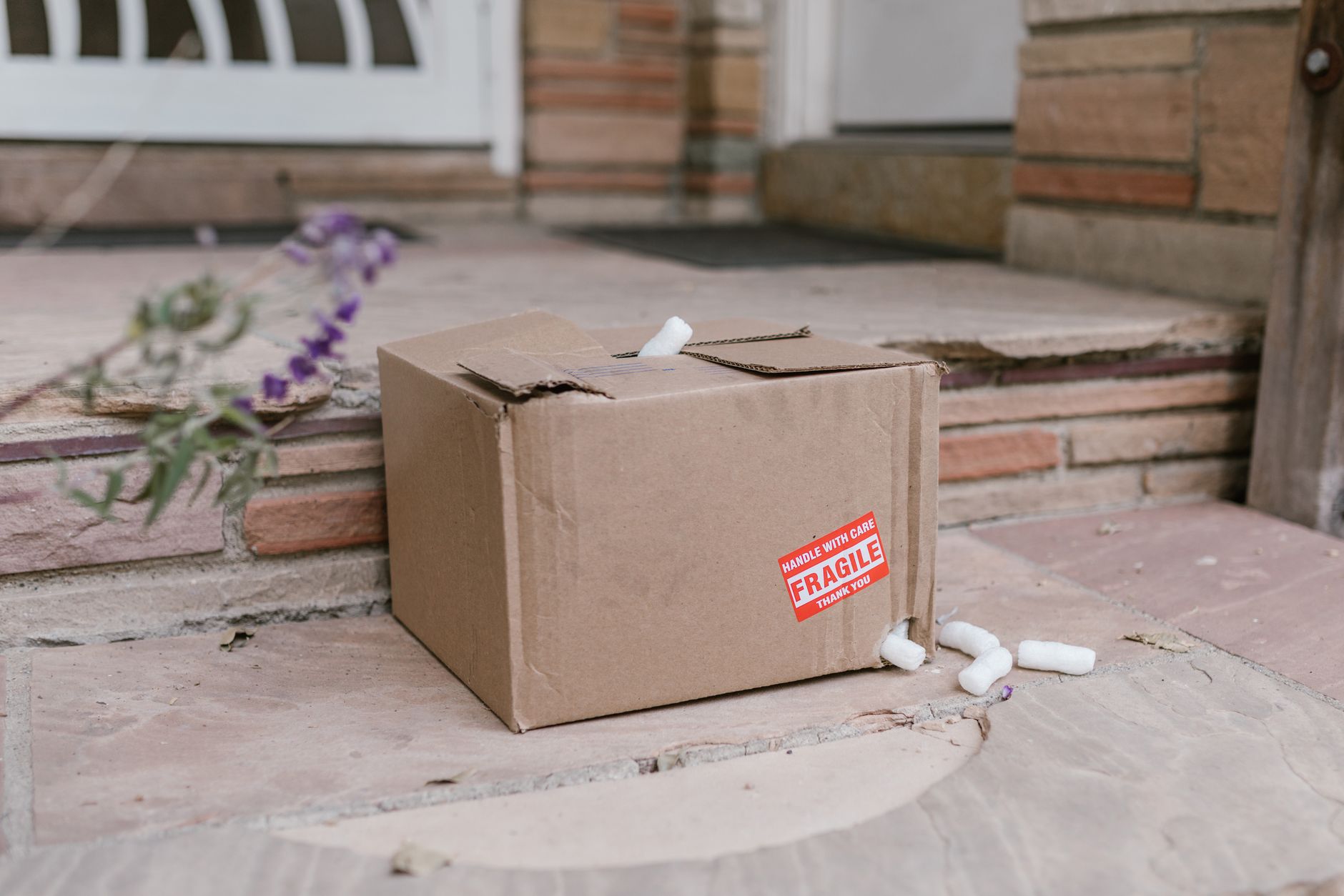
Barrier layers slow oxygen way down. That buys cannabinoids real time to stay stable across a full shipping run, even when a route stretches across several days. Opaque materials handle light just as well, keeping warehouse fluorescents and direct sun off the flowers completely during transit. THCA hemp flower keeps its texture when humidity stays in check, packaging holding moisture in a steady middle range instead of letting it swing toward either extreme. Internal structure matters for impact too, buds staying cushioned and trichomes staying put even as boxes pass through several rounds of handling between trucks and storage. Handle all four at once, not just one, and packaging actually does its job across an entire route rather than covering half the problem.
Which materials hold up best?
A handful of materials keep delivering strong results stage after stage, and stacking them together only makes that stronger.
Mylar and similar opaque films stop light almost entirely. Visible and ultraviolet wavelengths can’t get through the way they would with something clear. Multi-layer barrier films go further still, one layer taking oxygen, another taking light, each covering ground the other can’t reach alone. Glass brings solid oxygen resistance into the mix too, adding assurance for shipments where weight and careful handling are already built into the plan from the start. Heavier gauge film holds its shape through repeated transfers, keeping protection steady from the first handler all the way to the last stop on a route.
Seals and lasting protection
None of that material work counts for much without a seal that actually carries it through the whole trip.
Heat sealing forms one unbroken bond, holding firm against the flexing and pressure that comes with stacked boxes in transport.
Vacuum sealing pushes further, pulling air out before the seal even closes, giving the flower a real head start against change over a longer haul.
Zip-style closures earn their keep once a package reaches its final stop, working well for repeated access after the main journey wraps up and the product changes hands.
Humidity packs sealed inside keep at it the whole way through, holding steady no matter what’s happening outside the container itself.
Where protection counts most?
Certain stretches of a route ask more of packaging than others, and solid materials rise to meet exactly that demand.
Docks, delivery trucks, storage spaces, each one brings its own temperature swing, and good seals flex right along with that while holding their bond firmly. Longer time in transit actually gives strong packaging more room to prove itself, oxygen and light protection working steadily the whole time a shipment stays moving toward its destination. Multiple handoffs between hubs put structural strength to the test directly, and well-built containers carry flowers through every transfer without losing integrity along the way. Packaging built for these tougher stretches keeps delivering flowers that show up exactly how they left, intact, stable, and ready for whatever comes next in their journey.