Complete Guide to Finding the Right 3PL Warehouse in the USA
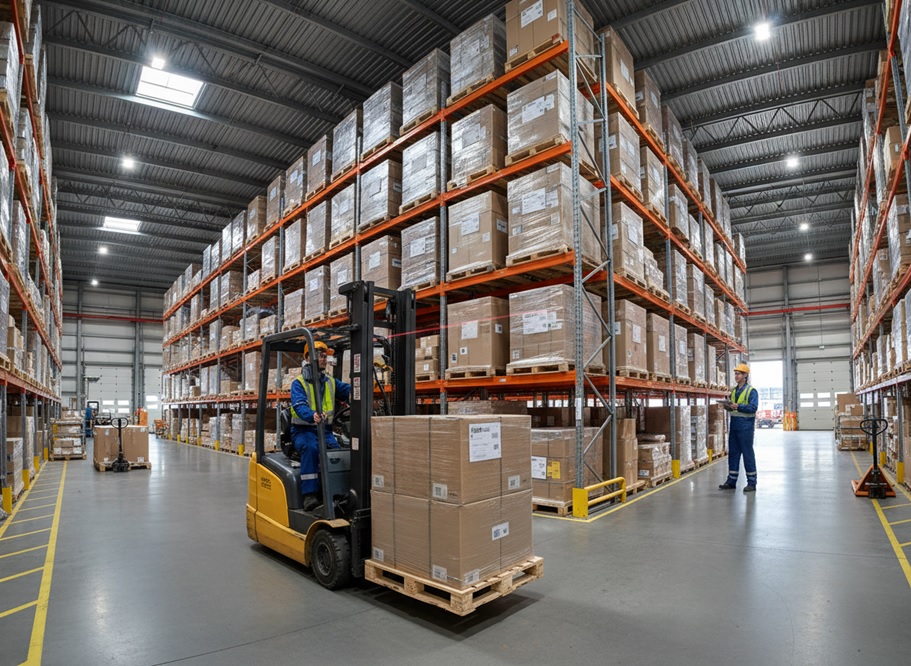
Welcome to a complete guide for finding a warehouse in the United States. Whether you are an eCommerce entrepreneur, a growing business owner, or new to supply chain management, this resource is designed to help you navigate the process with clarity. Many companies today also consider 3PL warehouses as part of their logistics strategy, since these facilities allow businesses to outsource storage, inventory management, and shipping operations. In today’s fast-moving world of online shopping and rapid logistics, securing the right warehouse has become a critical decision that directly impacts efficiency, delivery speed, and customer satisfaction. This guide simplifies the process by walking you through essential concepts, from 3PL fulfillment warehouse types and logistics terminology to evaluating space requirements, selecting locations, and understanding lease considerations. With the right insights, you can approach warehouse selection with confidence and align your operations with modern commerce demands.
Why Businesses Choose 3PL Warehouses in the United States
Over the past decade, the warehousing landscape in the United States has experienced steady and significant growth. The number of warehouse facilities has increased substantially, reflecting the rising demand for efficient logistics and order fulfillment solutions. This expansion has been driven by the rapid growth of eCommerce, increased consumer expectations for faster delivery, and the need for scalable storage and distribution networks.
The industry’s growth is also supported by a large workforce and continuous technological advancements. Automation, improved transportation systems, and advanced logistics tools have enhanced operational efficiency while maintaining strong demand for warehousing services. Market size has expanded consistently, highlighting the essential role warehouses play in modern supply chains. Declining vacancy rates further demonstrate the increasing demand for storage and distribution space, making warehouses a vital component of business operations in the United States.
Key 3PL Warehouse Locations in the United States
Choosing the right location for a third-party logistics warehouse plays a crucial role in optimizing supply chain performance. Certain regions in the United States stand out due to their strategic advantages in transportation, connectivity, and market access.
Los Angeles serves as a major gateway for international trade, offering proximity to global shipping routes and strong infrastructure for importing and exporting goods. Chicago provides a central location that enables efficient distribution across the country, supported by extensive rail and highway networks. Dallas offers a business-friendly environment and strong transportation capabilities, including access to major air cargo operations and efficient trucking routes.
Atlanta is a key logistics hub in the southeastern region, with access to major highways, airports, and nearby ports that facilitate both domestic and international distribution. The New York and New Jersey area provides direct access to one of the largest consumer markets in the country, along with major ports that support high-volume shipping. Indianapolis is strategically positioned with strong connectivity to multiple regions, making it an effective distribution center. Louisville is known for its advanced air cargo capabilities, making it ideal for businesses that require fast and time-sensitive shipping solutions.
Selecting the right location depends on your target market, shipping requirements, and overall logistics strategy, as each region offers unique advantages.
What to Consider When Choosing a 3PL Warehouse
Selecting a third-party logistics warehouse requires careful evaluation of several important factors to ensure a strong and efficient partnership. Location remains one of the most critical elements, as proximity to transportation hubs and key markets can significantly reduce delivery times and shipping costs. Industry expertise is equally important, as a provider with experience in handling similar products can ensure proper storage, compliance, and handling processes.
Technology integration plays a vital role in modern logistics, with advanced warehouse management systems providing real-time visibility into inventory and order fulfillment. Scalability is another essential consideration, allowing businesses to adjust operations based on fluctuations in demand without unnecessary overhead costs. The range of services offered should align with your operational needs, including any additional capabilities that enhance efficiency and streamline workflows.
A strong distribution network can expand your market reach, while reliability and proven performance metrics ensure consistent service quality. Transparent pricing structures help avoid unexpected expenses, and compliance with industry standards ensures proper handling and security of inventory. Effective communication and responsive support further strengthen the partnership, while cultural alignment between your business and the logistics provider contributes to long-term success.
Benefits of Working with a 3PL Warehouse
Partnering with a third-party logistics warehouse provides a wide range of benefits that can enhance overall business performance. These facilities bring specialized expertise in logistics and supply chain management, allowing businesses to leverage efficient processes without diverting resources from core operations. By outsourcing warehousing and fulfillment, companies can convert fixed costs into variable expenses, reducing the financial burden of maintaining their own facilities.
Flexibility is another major advantage, as businesses can scale operations up or down based on demand. Access to established logistics networks enables expansion into new markets, while advanced technology provides real-time insights into inventory and order status. This visibility supports data-driven decision-making and improves operational efficiency.
Outsourcing logistics also allows businesses to focus on product development, marketing, and customer engagement. Risk management is improved through proper handling, compliance, and inventory control, while faster order processing leads to shorter delivery times and increased customer satisfaction. Cost efficiencies can also be achieved through optimized shipping strategies and reduced overhead expenses, ultimately contributing to stronger business growth.
Value-Added Services Offered by 3PL Warehouses
Modern 3PL warehouses provide more than just storage and shipping capabilities. They offer a range of value-added services designed to enhance efficiency and improve the customer experience. These services include assembling products into ready-to-ship kits, customizing packaging to align with branding, and conducting quality inspections to ensure product standards are met.
Reverse logistics solutions simplify the management of returns, while cross-docking processes reduce storage time and accelerate distribution. Order customization allows businesses to meet specific customer requirements, and compliance services ensure proper labeling and adherence to industry regulations. Additional services may include product modifications, promotional packaging, and detailed reporting that provides insights into inventory and operations.
Advanced inventory management systems help maintain optimal stock levels and prevent shortages, while specialized storage solutions accommodate products that require controlled environments. Support for international shipping documentation ensures smooth cross-border transactions, making it easier for businesses to operate on a global scale.
Understanding the Cost
The cost of using a third-party logistics warehouse in the United States varies based on several factors, including location, storage requirements, and the range of services provided. Storage fees are typically calculated based on space usage, with costs varying depending on the size and type of facility. Additional charges may apply for receiving incoming inventory, including unloading and inspection services.
Order fulfillment costs generally include picking, packing, and shipping, with pricing influenced by order complexity and volume. Value-added services such as assembly, labeling, and returns processing can also contribute to overall expenses. Handling fees may be applied for moving inventory within the warehouse, while long-term storage fees can be incurred for products stored beyond a certain period.
It is important to note that pricing structures can differ significantly depending on the provider and market conditions. Understanding these cost components allows businesses to plan effectively and choose a solution that aligns with their budget and operational needs.
Final Thoughts
In today’s competitive business environment, finding the right warehouse in the United States is more than a logistical decision—it is a strategic move that can shape the future of your operations. From evaluating your specific needs and selecting the ideal location to understanding costs and leveraging value-added services, every step in the process plays a role in optimizing your supply chain.
The growth of the warehousing industry and the expansion of third-party logistics services highlight the increasing importance of efficient distribution and inventory management. By applying the insights outlined in this guide, businesses can make informed decisions that support long-term growth, improve operational efficiency, and enhance customer satisfaction.
Choosing the right warehouse is not just about storing products. It is about positioning your business for success, improving delivery performance, and adapting to the evolving demands of modern commerce.