Understanding BPC-157: Research, Properties, and Important Considerations
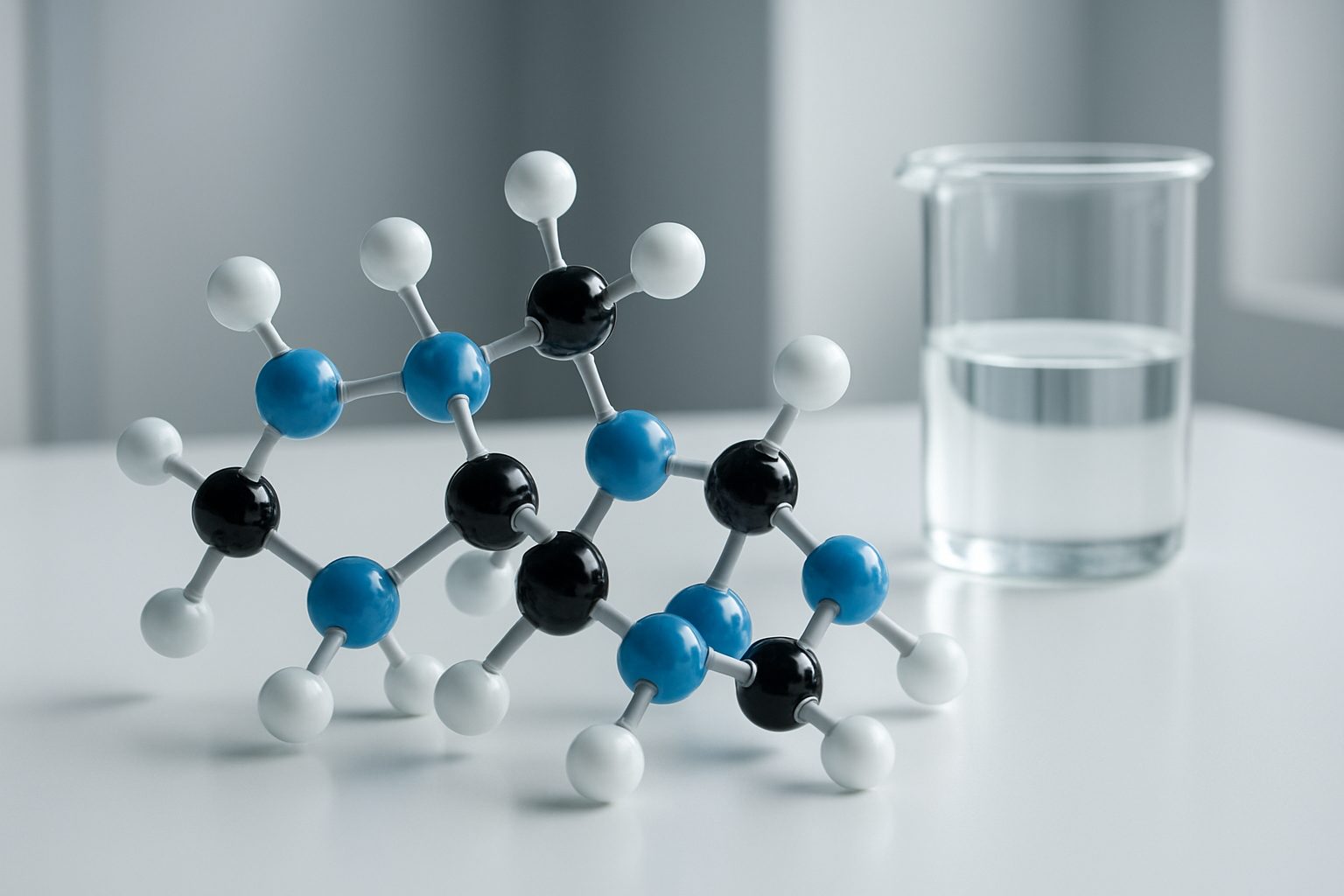
What Is BPC-157?
BPC-157 is a synthetic peptide that has attracted attention in scientific discussions about tissue repair, cellular processes, and gastrointestinal health. Researchers have explored its biological characteristics through laboratory and animal studies, creating interest in understanding how peptides interact with different systems in the body. Discussions surrounding bpc157 canada have also increased as people seek reliable information about peptide research, product quality, and regulatory considerations.
Why Has BPC-157 Attracted Scientific Interest?
Interest in BPC-157 comes primarily from experimental research examining its potential biological activities. Some preclinical investigations have explored its relationship with tissue responses, inflammatory pathways, and cellular recovery mechanisms. These findings provide subjects for further scientific investigation.
However, experimental observations should not be confused with established medical evidence. Results from laboratory environments or animal models do not automatically demonstrate that a substance produces similar outcomes in humans. More comprehensive clinical research is necessary to understand its actual effects.
What Does Current Research Suggest?
Available preclinical research has investigated several possible biological interactions involving BPC-157. These include processes associated with tissue integrity, blood vessel formation, and gastrointestinal function.
Although certain findings appear scientifically interesting, important questions remain unanswered. Researchers still need stronger evidence concerning appropriate applications, long-term effects, interactions, and overall safety. Consequently, BPC-157 should not be considered an approved treatment for injuries or medical conditions.
Is BPC-157 Approved for Human Medical Use?
Regulatory approval is an essential consideration when evaluating any peptide. Approval requirements differ between countries, and a substance discussed in scientific literature is not necessarily authorized for therapeutic use.
Consumers should distinguish between experimental research materials and medicines that have completed the necessary regulatory evaluation. Consulting official health authorities provides a more dependable understanding of the current legal and medical status of a substance.
Why Is Product Quality Important?
Peptide quality is an important subject in laboratory research. Factors such as identity, purity, stability, storage conditions, and manufacturing standards can influence experimental consistency.
Researchers generally rely on appropriate analytical documentation and established laboratory procedures when evaluating research materials. Product descriptions alone cannot establish pharmaceutical quality, safety, or suitability for human consumption.
What Safety Questions Should People Consider?
One important concern is the limited availability of reliable human safety information. Potential side effects, interactions, appropriate exposure levels, and long-term consequences have not been sufficiently established.
Individuals should avoid treating online testimonials as clinical evidence. Anyone considering an experimental peptide for a health concern should speak with a qualified healthcare professional rather than relying on unverified claims.
How Can People Evaluate Peptide Information Responsibly?
Reliable evaluation begins with examining scientific publications, understanding the limitations of available studies, and checking information from recognized regulatory organizations.
It is also important to identify whether a claim comes from an established clinical investigation, an animal experiment, or commercial marketing. These sources have different levels of scientific reliability.
What Is the Main Takeaway About BPC-157?
BPC-157 remains an experimental peptide with scientific interest but substantial unanswered questions. Understanding the difference between preliminary findings and established medical evidence helps readers make informed decisions. A responsible approach prioritizes scientific accuracy, regulatory awareness, and professional medical guidance.
At a Glance
- BPC-157 is a synthetic peptide studied for its potential in tissue repair, cellular processes, and gastrointestinal health.
- Preclinical research indicates that BPC-157 may impact tissue integrity, blood vessel formation, and gastrointestinal function, but comprehensive clinical research is still needed.
- BPC-157 is not an approved treatment for any injuries or medical conditions, and approval varies by country, making regulatory status crucial for evaluation.
- Peptide quality is contingent upon factors such as identity, purity, and manufacturing standards, which are critical for experimental consistency and safety.
- There is limited reliable human safety information regarding BPC-157, leading to potential side effects and interactions that remain insufficiently established.
- Individuals interested in BPC-157 should seek advice from qualified healthcare professionals rather than relying on unverified online claims and testimonials.